 Search

 Search

When Clarity Breaks: Protecting Competitive Readability in the Final Stretch
Market Pressures Amplify Endgame Polish Risks
The final approach to public testing is a gauntlet for any game studio. With ambitious features landing—expanded tag/assist mechanics, multi-stage KO sequences, and dazzling cosmetics—fighting game developers face a familiar enemy: visual and gameplay clarity. Today’s players expect both spectacle and surgical balance. Overlooking polish details now risks alienating hardcore and casual audiences alike, impacting retention and launch momentum.
The Cost of Compromise: Real-World Consequences
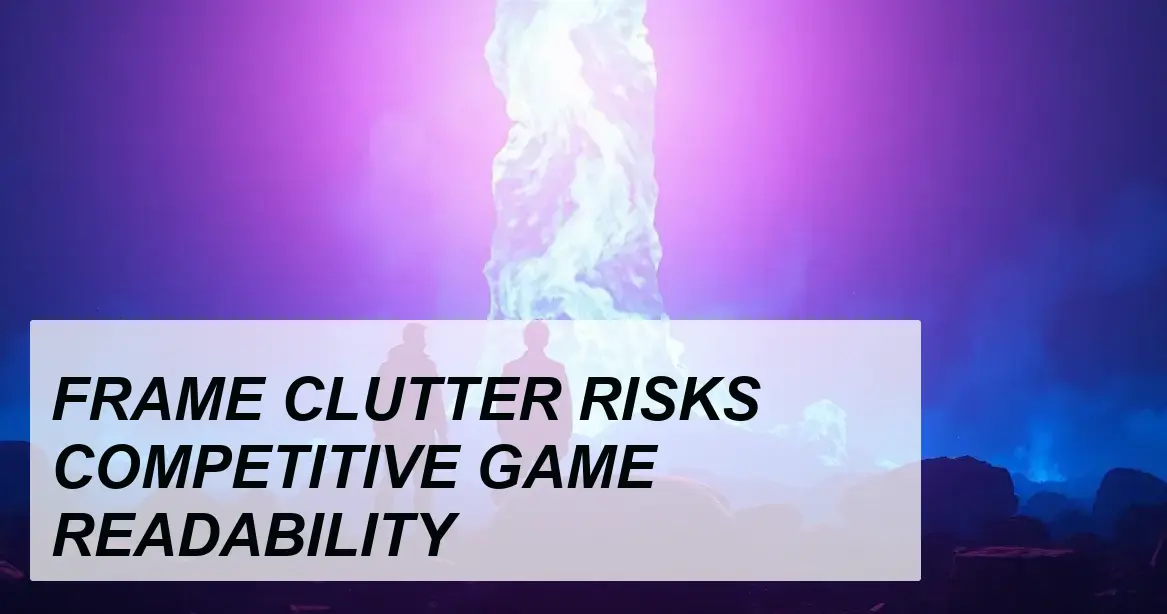
It only takes one patch to upset finely-tuned readability. As more tags, assists, and KO effects enter the build, FX and camera layers can balloon—masking crucial frame data, muddying hit reactions, and overwhelming players with stimulus. A knockout sequence that once felt crisp can become a whirlwind of particles, impacting both fair play and the sense of authorship over victory.
Certain cosmetics—ultra-bright colorways or oversized emissives—can even trigger “pay-to-win” discourse, as their visibility offers real gameplay advantage or distraction. The result? Competitive sentiment sours, and just as the marketing engine ramps up, performance drops below the 60/120 fps mark. At best, this generates noise online; at worst, it drives influencers and core fans away.
Clarity First: The Case for a Hard “Gate”
How do you catch these issues before your audience does? The answer: establish a single, pre-test “Clarity Gate.” This is a hard pass/fail audit—executed by a nimble strike team—where visual, gameplay, and performance clarity are non-negotiable.
Your Clarity Gate Checklist
- FX Intensity & Emissive Clamps
All visual effects must stay within predefined brightness/emissive ranges. No exceptions for cosmetics or rare unlocks. - Cosmetic Color Tiering
Outfit and VFX colors are tiered by visibility, with “distractingly bright” or “overly dark” options flagged and fixed before each test. - Silhouette & Contrast Testing
Every character and cosmetic pass a contrast/silhouette threshold test—even under layered effects or in high-action moments. - Camera & Hit-Reaction Timing Rules
All camera cuts, impacts, and KO sequences follow strict timing guidelines to prevent gameplay info from being obscured by cinematic flair. - Locked Performance Targets
Audited scenes must maintain locked 60/120 fps on target hardware. Any violation is a test blocker. - Ownership & Accountability
This cross-discipline clarity strike team has the authority (and mandate) to block launches and demand real fixes—no exceptions, no partial passes.
The difference between “good enough” and “core-fan respected” is often just one clarity gate away.
Industry Insight: Don’t Let ‘Cosmetic Creep’ Slip By
Pro Tip: Assign a single owner to collect and publish before-and-after clarity footage every cycle. It’s the fastest route to spot regressions and give the team real-time evidence—especially for subtle readability issues that aren’t caught in automated tests.
Most clarity failures emerge from “cosmetic creep”—where one luxurious effect or skin gets a pass, then sets a risky precedent for everything after. Nip it in the bud, and communicate stakes to both devs and marketing.
Conclusion: Build Your ‘Clarity Culture’—Starting This Now
Protecting readability and finish quality at the 11th hour takes rigor and a ruthless clarity standard. The right clarity gate isn’t just QA—it’s the frontline for fair, fun, and competitive experiences.
How do you enforce visual and gameplay clarity at the finish line? Share your tips and QA horror stories in the comments—let’s raise the polish bar together.