 Search

 Search
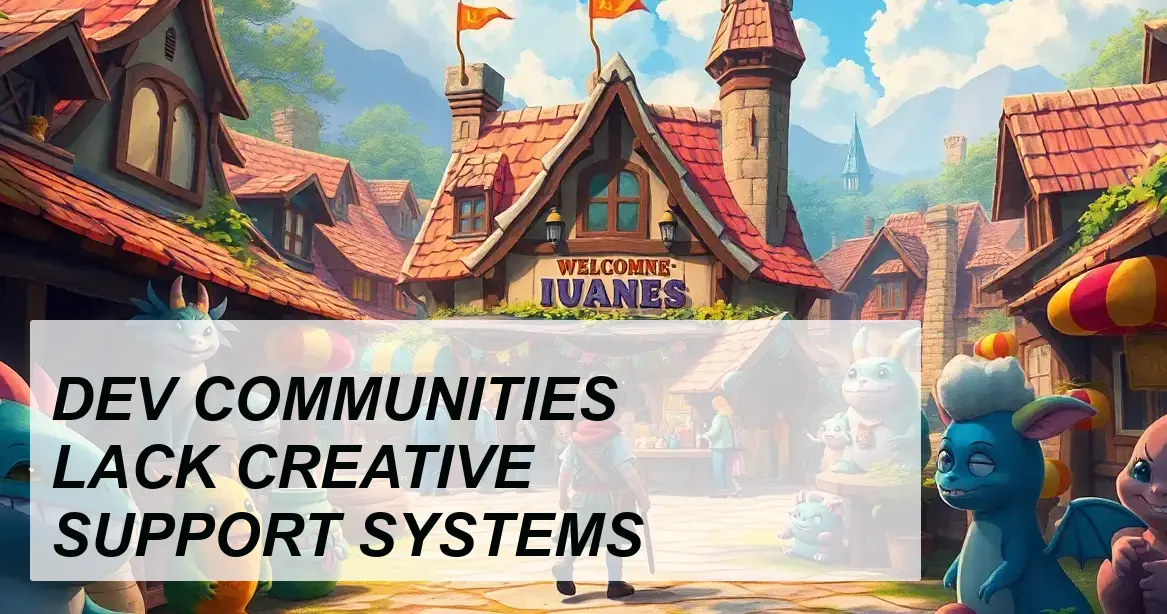

Build Better: Closing the Support Gap for Indies
The Hidden Cost of Limited Creative Resources
The indie game dev scene is more vibrant than ever, but beneath the surface, many developer communities are missing a crucial ingredient: accessible, robust support for creativity and professional growth. With limited resources and rising creative demands, small teams risk hitting a wall—one that can threaten both the health of their projects and the wellbeing of their people.
Why the Resource Gap Hurts Developers
For many indie and under-resourced teams, finding high-quality creative assets, mentorship, and professional support is a struggle. Free online assets are often generic or commercially restricted. Paid options, meanwhile, can be expensive—especially for developers bootstrapping their dream.
The consequences are real. Artists are stretched thin, coders double as designers, and talent spends more time chasing or creating assets than actually building games. This leads to project delays and, more worryingly, chronic burnout. In some Discord channels or forums, it’s not uncommon to see pleas for help: “Does anyone know where I can find a mentor?” or “I can’t finish this level art before deadline.” All too often, the answer is silence.
Without affordable professional support and dedicated burnout-prevention strategies, members quietly disengage—putting both projects and entire communities at risk of stalled growth or collapse.
Roadmap: How to Build an Accessible Resource Hub
It’s time to change the game. Here’s a blueprint for communities and organizers who want to empower their devs and keep them thriving:
- Survey Your Community’s Needs
Kick off by polling members on their biggest creative pain points. Are they short on art assets, tech mentorship, or stress management? - Source or Commission Affordable Creative Assets
Partner with artists, offer revenue splits, or negotiate open licenses to build a diverse, community-owned art and audio library accessible to all members. - Set Up Peer and Pro Mentorship Channels
Schedule monthly mentorship Q&A sessions, host AMAs, or create a directory where newcomers can connect with experienced devs for casual check-ins. - Launch Burnout Prevention Initiatives
Offer self-care workshops, accountability groups, or mental health resource roundups—ideally as on-demand recordings and guides so members can access support any time. - Standardize Access
Use a central hub: a Notion board, Discord channel, or mini-site where every resource, guide, and mentoring opportunity is easy to find, search, and share. - Pilot, Gather Feedback, and Iterate
Roll out the hub in beta, encourage ongoing input, and be ready to adjust inventory or focus as your community’s needs evolve.
Industry Insight: Flexible Support is No Longer Optional
Industry Insight: Top studios now treat creative support and mentorship as essential infrastructure. Indie collectives and solo devs can stay competitive by adopting a similar approach—especially using affordable, on-demand models to reach more team members regardless of time zone or budget.
Conclusion: Take the First Step Toward Creative Resilience
The path to sustainable, thriving developer communities starts with accessible resource hubs and proactive support. If you’re an organizer or community lead, what’s your team’s most urgent need—affordable art, mentorship, or burnout prevention? Drop your answer in the comments, and let’s build the next great resource hub together.