 Search

 Search

Stop the Crunch: Building Your Art Partner Network for Game Production
The Deadline Dilemma: Why Teams Suffer
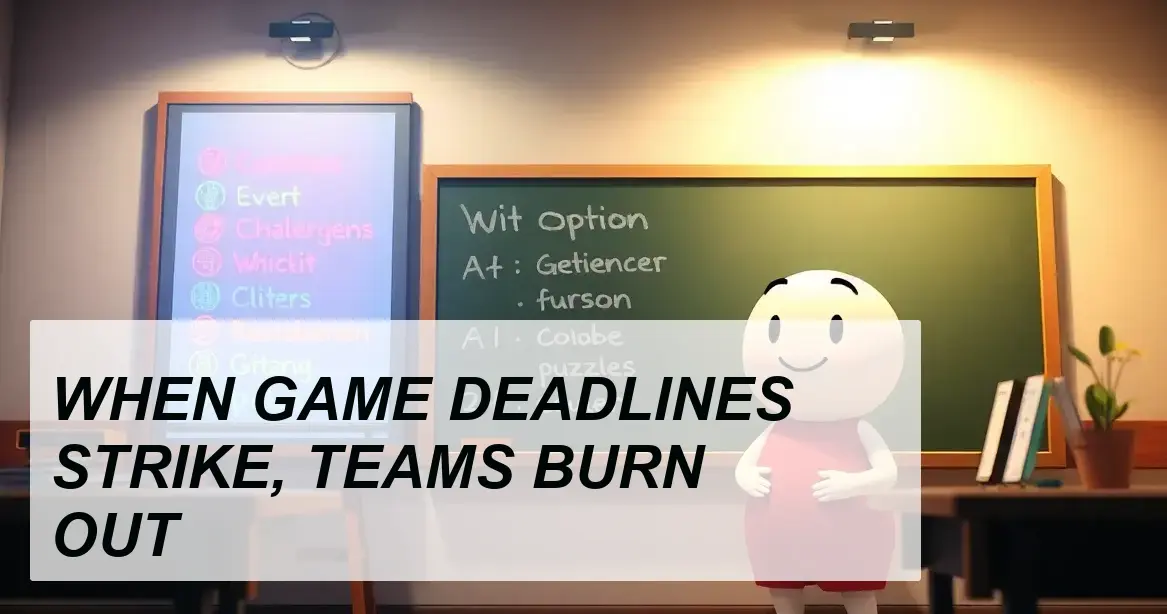
Game development thrives on creativity, collaboration, and high stakes. Yet, even the best studios face a recurring nightmare: tight deadlines and demanding art or production cycles that leave core teams exhausted and burnt out. With ever-shorter release schedules and rising player expectations, how can studios avoid turning every project launch into a crisis?
Understanding the Crunch: More Than Just Long Hours
Crunch periods—those dreaded work marathons leading up to milestones or launch—are notorious industry-wide. Studios pour heart and soul into their games, but when key deadlines arrive, the stress can skyrocket. Core creative teams get buried under last-minute art revisions, QA passes, or localization pushes. Even with the best planning, the reality doesn’t always match the roadmap.
The consequences are real: staff burnout, costly turnover, lost productivity, and, sometimes, public backlash—from layoffs at triple-A studios to indie teams quietly imploding after release. Games like Anthem and Red Dead Redemption 2 ignited public debates over crunch culture, but the problem shadows projects of all sizes. When studios lack external help they can trust, all the pressure stays in-house, increasing mistakes and damaging morale.
The core of the issue? Studios often scramble to find reliable, high-quality external partners only during a crisis—when it’s already too late to vet talent or set up efficient pipelines.
Solution Checklist: Build a Vetted Network Before You Need It
Don’t make overflow planning an afterthought. Proactive studios invest time upfront in building relationships with external art and production partners long before crunch hits. Here’s how to future-proof your workflow:
- Audit Peak Workloads: Map out when and where your team historically runs into bottlenecks—art assets, environment builds, sound, or QA.
- Start the Search Early: Research studios, freelancers, and specialty vendors with portfolios that match your quality and style standards. Use referrals, portfolio sites, and direct outreach.
- Vet Partners Thoroughly: Check references, request sample work/tests, and look for a proven track record meeting deadlines and communication expectations.
- Set Up Onboarding: Prepare NDAs, onboarding docs, style guides, and pipelines. Hold a kick-off call to align expectations.
- Pilot Small Tasks First: Assign contained, lower-risk overflow tasks ahead of crunch times. Evaluate working relationships and iterate on process.
- Formalize the Network: Build a roster of trusted external partners, including their specialties, availability windows, and contact info. Keep communication lines open—even between projects.
- Debrief Post-Delivery: After each project, hold a quick retro to share feedback, smooth out pain points, and strengthen partner relationships for next time.
Pro Tip: Don’t Neglect Cultural Fit
Industry Insight: Technical skill isn’t enough. The best external partners mesh with your studio’s culture, communication practices, and feedback cycles. Consider assigning an internal “liaison” for each partner to keep workflow transparent and responsive—especially when project urgency ramps up.
Conclusion: Prepare Now to Protect Your Team
Crunch doesn’t have to be inevitable or destructive. By building a strong, vetted network of external art and production partners in advance, you empower your core team to stay healthy, focused, and creative—even during the most demanding phases. What steps has your studio taken to share the load? Share your favorite partner network tips or stories in the comments below.