
 Search

 Search
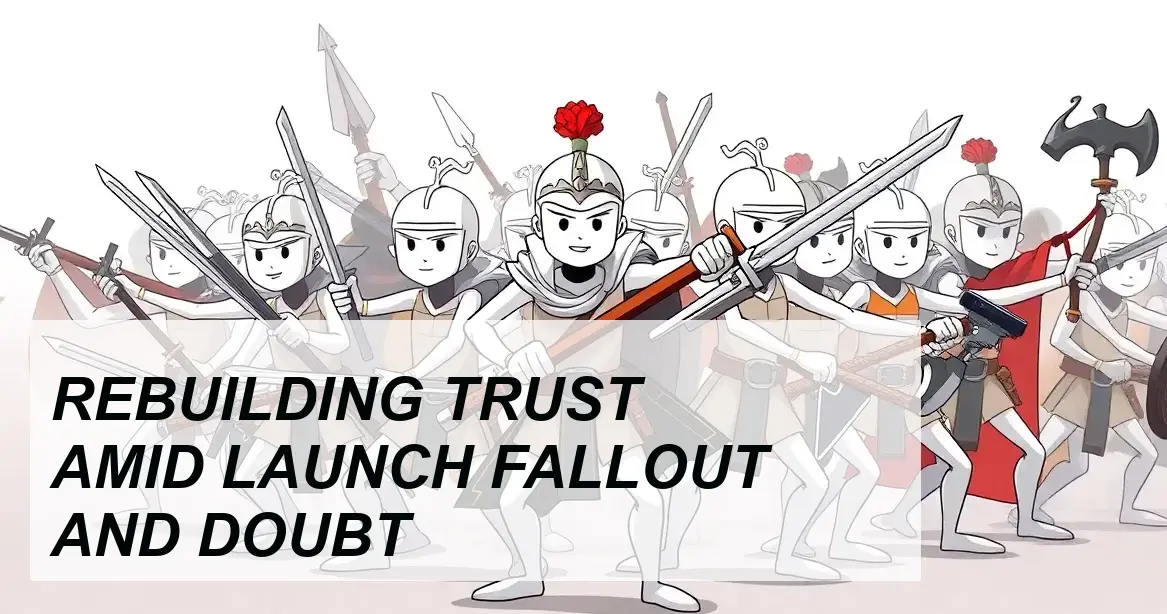

Regain Lost Ground: A Blueprint for Studio Recovery
The Post-Launch Crossroads
Today’s game studios face sky-high expectations—and unforgiving audiences. A misstep at launch can rapidly cool previously warm momentum and fracture community trust. When that’s paired with staff transitions or downsizing, both live operations and upcoming releases are at risk of stalling, potentially threatening a studio’s future ability to deliver and grow.
The Fallout: Lost Momentum and Frayed Credibility
Consider the aftermath of a disappointing launch: negative reviews dominate discussion, player forums turn skeptical, and the studio’s brand cachet erodes. Developers scramble not only to fix bugs but also to repair credibility. That was the story for several high-profile launches—think “Anthem,” “Fallout 76,” or “Cyberpunk 2077″—where waves of skepticism and staff turnover led to missed content roadmaps, frustrated communities, and a struggle to regain goodwill.
Meanwhile, shifting resources or reduced headcounts can leave core live operations and roadmaps exposed. Even seasoned teams can become reactionary, fighting fires rather than steering confidently toward their vision. Pipelines can get clogged, and feature releases lose consistency—if updates slow, community patience quickly runs thin.
Action Plan: Restore Trust and Resilience
- Schedule Regular Live Ops & Pipeline Health Checks
Hold weekly or biweekly reviews to assess both live stability (uptime, key KPIs, community sentiment) and production capacity (velocity, risk areas, gaps from staffing changes). Keep a visible dashboard. - Own the Narrative via Radical Transparency
Share structured, honest updates—acknowledge setbacks, explain capacity realities, and clarify how the team is addressing issues. A dated update schedule signals professionalism and accountability. - Prioritize Rapid Response to Feedback
Implement a triage system. Quickly acknowledge and address critical bugs and player pain points—showing the community their voices matter can turn critics into advocates. - Adapt Roadmaps, Visibly
If downsizing or staff shifts alter timelines, update the public roadmap. Use these moments to set realistic expectations and emphasize upcoming wins. - Empower Community Champions
Engage trusted players and moderators to amplify accurate information and model constructive dialogue—this helps rebuild relationships even when resources are tight.
Pro Tip: Build Surfaces for Fast Feedback Loops
Conclusion: Rebuilding Is a Team Sport
A launch stumble or resource shakeup doesn’t have to be fatal. Prioritizing honest health checks, visible communication, and fast feedback cycles can revive player confidence and restart growth. How has your studio navigated recovery after a rough launch or resource shift? Share your insights in the comments.