 Search

 Search
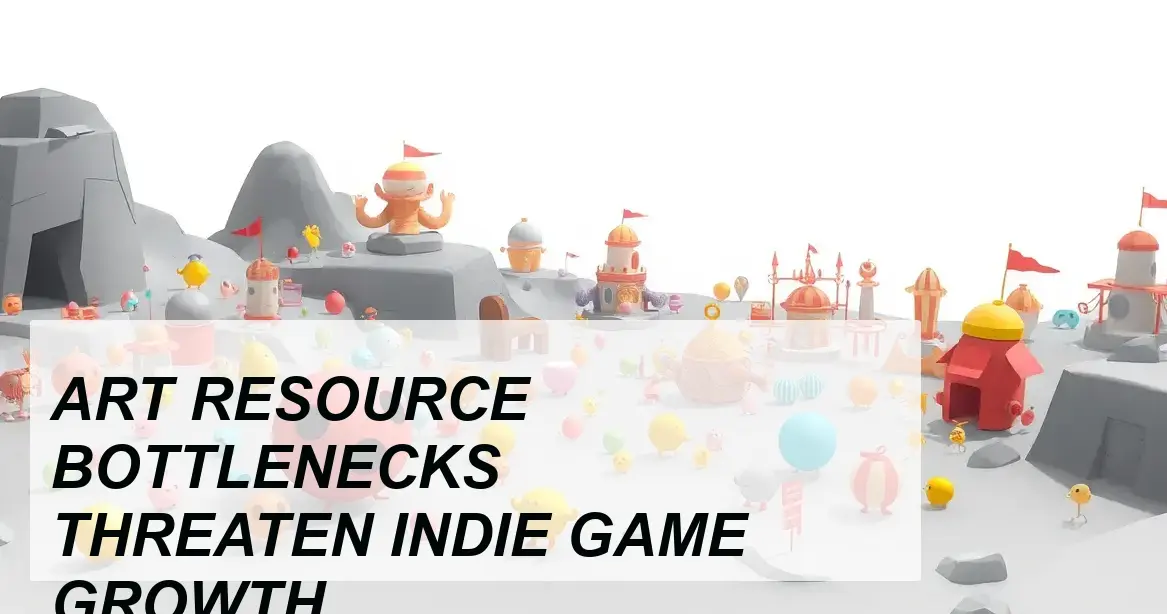

Unlocking Growth: Shared Art Resources for Indie Studios
The Indie Bottleneck: Creativity Stifled By Resource Gaps
The global indie game scene is booming—but scalable art, animation, and production support remain huge hurdles for small teams. In a fiercely competitive landscape, resource scarcity can spell the difference between a standout release and an underwhelming launch.
Why Indie Teams Still Struggle to Scale
While inspiration is abundant in the indie world, access to reliable production resources is not. Small studios—and even larger developer communities—frequently find themselves battling the same challenges: limited budgets, short timelines, and a lack of in-house specialists. This forces core staff to wear too many hats, pulling creative and technical leads away from their primary strengths.
Consider a two-person studio with a hit prototype. Publisher attention pours in—but when art assets need upgrading or new animation systems are required, those creators get drawn into managing contractors, reviewing portfolios, or learning tools outside their expertise. Projects stall, momentum fades, and crucial opportunities are missed. It’s a story that plays out across game jams, accelerators, and indie collectives alike.
Without scalable support, repeatable workflows, or a shared talent pool, even the most innovative ideas risk being left behind.
Step-by-Step: Building a Shared-Vendor Network For Indie Teams
- Form a Member Consortium: Gather trusted studios and developers into an alliance. Establish communication channels, shared goals, and a minimum quality bar for resources.
- Identify Common Production Needs: Audit current and upcoming projects for overlapping requirements—2D/3D art, rigging, VFX, or UI.
- Curate a Vetted Talent Pool: Pool recommendations and references. Structure a database of artists, animators, and production partners who meet your standards and are comfortable with NDAs, pipelines, and timelines.
- Negotiate Group Rates & Availability: Leverage collective buying power to secure better pricing and faster turnaround from freelancers or outsourcing studios.
- Standardize Onboarding and Briefing Processes: Create templates for contracts, briefs, and feedback cycles. Ensure each project runs smoothly whether using internal or external support.
- Establish Ongoing Review and Rotation: Regularly review vendor performance, share feedback, and rotate roles so that support remains fresh and effective.
- Celebrate Creative Wins: Publicize successful collaborations to attract more talent and further strengthen the network’s reputation.
Pro Tip: Secure IP and Flexible Scopes Early
Veteran studio leaders recommend structuring shared-vendor agreements with rock-solid IP protection and modular scopes. This keeps ownership clear and lets studios ramp support up or down as projects change, minimizing risk and maximizing agility.
Conclusion: Rethink How You Resource Creativity
Indie innovation depends on freeing up teams to pursue fresh ideas—not burning hours managing assets or chasing contractors. With a shared-vendor network, studios can unlock reliable support and supercharge their creative output. Ready to set up a talent pool in your community?
- How would a vetted vendor network change your current workflow?
- What’s your biggest production pain point when scaling up?
Share your experiences in the comments and help other studios level up their creative process!